History, Woodland Walks, and Traditional Sussex Character
Named after the Battle of Hastings, the most famous conflict on English soil, the compact East Sussex market town of Battle may have been built around a historic battlefield, but it’s come an awfully long way since 1066.
Most visitors still arrive for the history, yet leave with more memories than they’d planned for – whether it’s from the crooked shop fronts along the High Street, the quaint tea rooms to while away an afternoon, or the way the roving countryside seems to begin almost immediately beyond the last row of houses.
Why visit Battle?
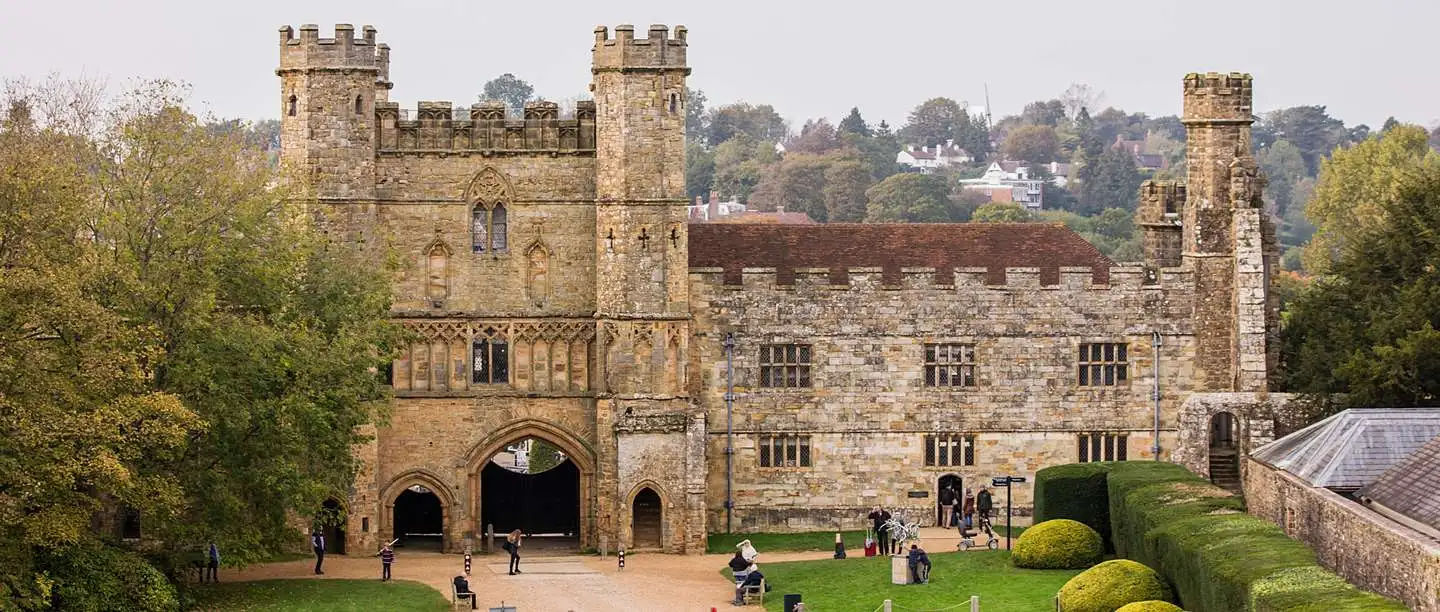
Battle may be forever tied to one defining moment in English history: the Battle of Hastings in 1066, when the Norman William the Conqueror defeated King Harold II and altered the future of the country. Today, the ruins of Battle Abbey still stand on the very site where the battle unfolded, anchoring the town’s identity more than 950 years later.
The town’s lingering appeal, however, comes from its contrast. Keeping to its market town roots, Battle’s High Street is lively without feeling hectic, filled with independent businesses rather than chains. It’s along this long stretch that historic tearooms are placed with modern coffee shops, antique shops and iron forges join jewellers, hip taprooms sit side-by-side with old taverns, and traditional butchers compliment the local Co-Op, serving the community as much as visitors.
Beyond the centre itself, the landscape shifts quickly into rolling countryside, ancient woodland, and quiet walking routes across the High Weald. For all its strengths, there’s little wonder Battle makes for such a fulfilling destination for a getaway in East Sussex – whatever your focus.
Things to do in Battle
Uncover medieval history
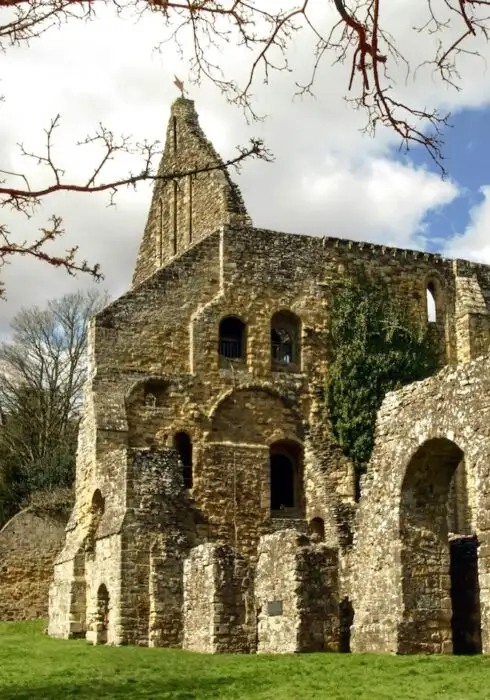
At the heart of the town is Battle Abbey, built by William the Conqueror on the site of the 1066 battle itself. More than simply a historic ruin, it’s one of the few places in England where such a defining national event still feels physically connected to the landscape around it. Walking the connected Hastings Battlefield gives visitors real scale to an event most people know only from school textbooks, with trails leading across the exact ground where Norman and Saxon forces clashed.
Each October, the site becomes especially atmospheric during the annual battle reenactment, when 500 reenactors recreate scenes from the Battle of Hastings with cavalry, combat displays, archery, and encampments spread across the field. Even outside of reenactment weekends, the battlefield remains immersive thanks to a series of large wooden sculptures positioned across the landscape, depicting key moments and figures from the conflict itself.
Meanwhile, originally founded as both a monastery and an act of penance after the battle, the Abbey itself evolved over centuries into one of the most important religious buildings in the region. Today, visitors can explore the ruined cloisters and abbey remains, while a climb to the gatehouse rooftop rewards guests with wide views across the surrounding countryside.
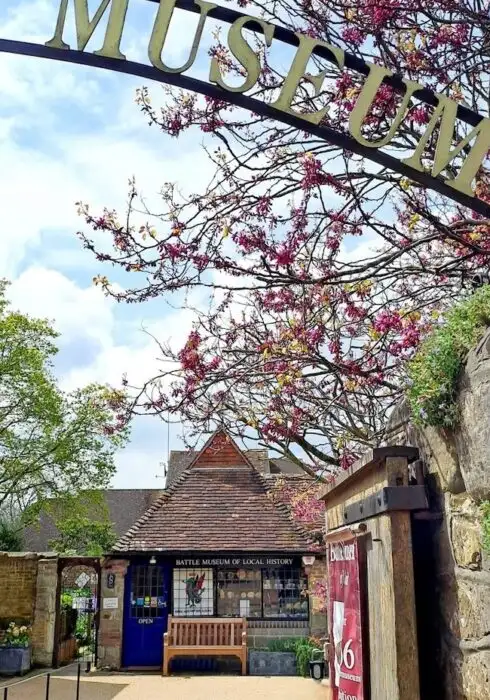
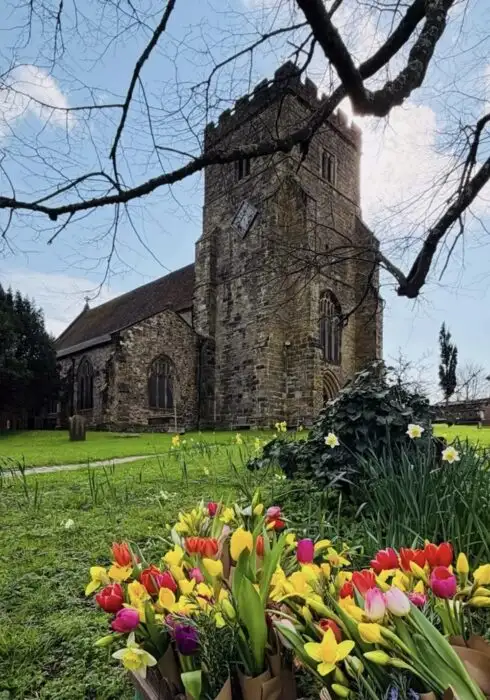
Battle’s historical character continues beyond the abbey grounds. Battle Museum of Local History offers a more intimate look at the town and surrounding area, from medieval artefacts to fossils discovered locally, as well as the world’s oldest Guy Fawkes, while the 900-year-old St Mary the Virgin Church is well worth a peek, with historic stained glass, memorials, the Battle Tapestry, and the ornate tomb of Sir Anthony Browne – a politician and courtier who served as Master of the Horse for King Henry VIII and was later gifted Battle Abbey by him.
Venture outdoors
Beyond the Abbey, the town quickly transitions to countryside, with streets giving way to the woodland trails, open fields, and walking routes of the High Weald.
Battle Great Wood is particularly popular among locals for cycling, trail running, and longer trawls beneath the ancient trees – dog in tow or on their own. Depending on the season, this ancient woodland shifts from carpets of bluebells in spring to deep rust and gold tones in autumn, resplendent with natural beauty any time of year.
Closer to the centre, Almonry Gardens offers a quieter pocket of greenery complete with carefully-restored planting, old stone walls, and views back towards the town’s historic architecture.
The wider surrounding landscape is equally rewarding. Country lanes, farm tracks, and public footpaths stretch across the High Weald, making Battle an excellent base for visitors who really value a mix of history and the great outdoors.
Where to Eat and Drink
Traditional pubs, tearooms, and small restaurants dominate Battle’s High Street, many housed inside charming centuries-old buildings with low beams, open fireplaces, and wonky floorboards. One such spot is The Bull Inn, a former 1600s coach house that was originally built from the stones of Battle Abbey. With wood burning stoves and open fires, this pub has always been an extremely popular pub in the winter, however its menu attracts visitors throughout the year with its local fare served to a soothing backdrop of blues, funk and soul music.
If you’re visiting in summer, then pay a visit to the Kings Head, which benefits in the warmer months from outdoor seating, or Chequers Inn, which is located at the far end of the High Street and has been beautifully decorated with hops adorning the low beams, and a stunning pergola outside, under which you can enjoy its superb food and drinks.
For those seeking an afternoon tea amid all the exploring, Bluebells Tearooms is the best in the town, serving up enough tea, cakes, scones and salads to fulfil your heart’s every desire. Come evening, there are also plenty of options to whet your appetite, whatever your preference. If it’s Thai food you’re after, look no further than Thai Orchid. Visitors looking for exceedingly moreish pasta dishes that leave their mark will love Fornello – a bistro-style setup that pairs its dishes with equally moreish wine. Meanwhile, a classic Indian dinner can be found at the delectable Battle of India.
Battle Brewery and Taproom is a great place to round off the evening with its fantastic mix of its own locally-brewed beers – including IPAs, bitters, and imperial stouts – and an atmosphere that reflects the town’s independent spirit. Alternatively, head out of town for a few hours to enjoy Oastbrook Estate Vineyard’s award-winning wines and enchanting vineyard – nestled in the countryside just a short drive away near Robertsbridge.
What’s nearby
Battle’s inland setting places it within easy reach of some of East Sussex’ best-known historic and coastal destinations, with Bexhill, Hastings, Rye and Bodiam all within a half-hour drive.
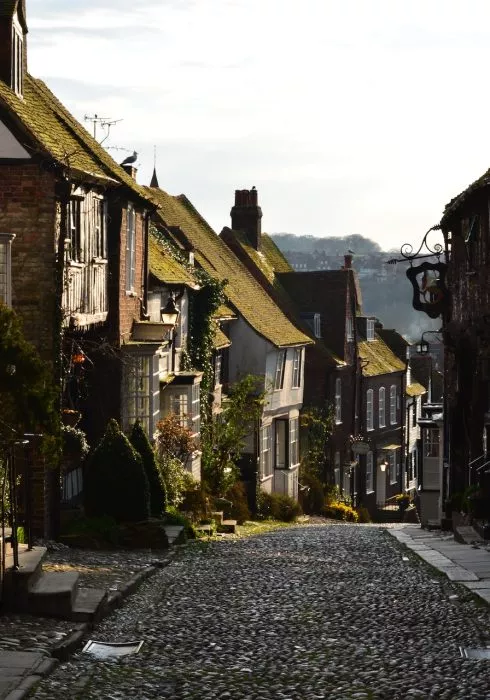
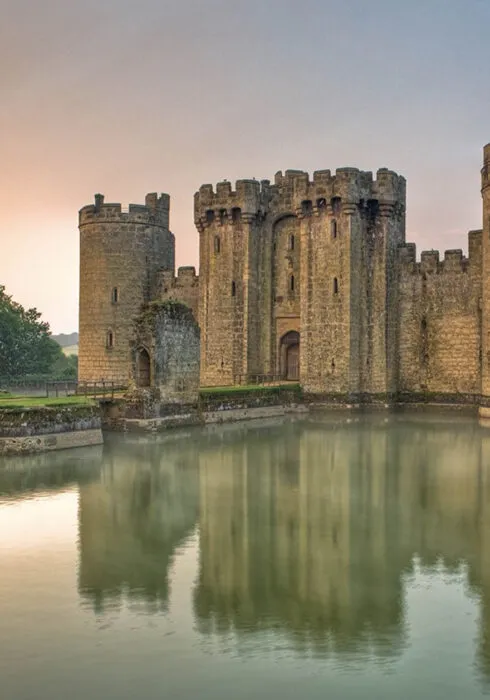
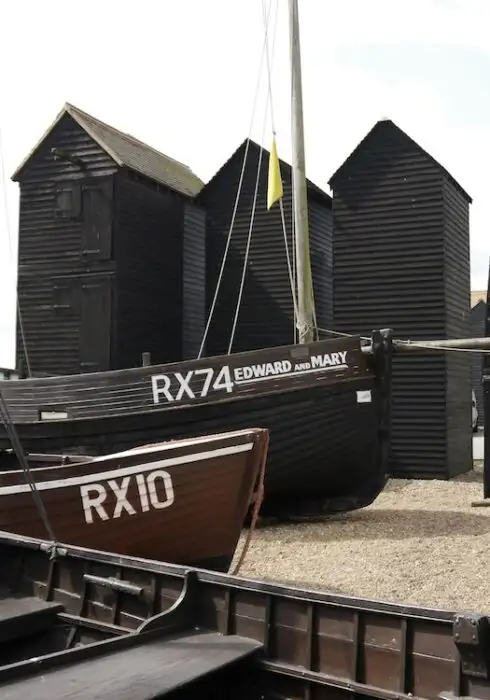
The seaside town of Hastings offers a completely different atmosphere with its fishing quarter, beach cafés, and creative independent scene. Rye provides a similar medieval charm, with galleries and antique shops galore. Bexhill, meanwhile, has a quieter seaside atmosphere — aside from its thriving High Street at the fantastic De La Warr Pavilion (check out its events calendar ahead of your visit for concerts, comedy, and festivals on the green). A little further afield, Bodiam Castle remains one of the region’s most recognisable landmarks, surrounded by its famous moat and countryside views. And then there’s the beautiful stately home of Bateman’s — once home to Rudyard Kipling — which offers a quieter, more personal glimpse into Sussex literary history.
Vineyards, gardens, and historic estates are scattered throughout the surrounding countryside too, making Battle an easy starting point for exploring the wider High Weald region.