There are few places in West Sussex that have as much culture squeezed into it as Chichester. The city’s historic centre still follows the Roman street plan laid out almost 2,000 years ago, its four main streets meeting at the Market Cross. Today, they’re filled with a mix of medieval buildings and Georgian architecture that host an abundance of independent shops, cafés, restaurants and bars. Rising above them all is Chichester Cathedral, and encircling them are sections of the original city walls – still visible around the edge of the city.
Chichester Festival Theatre draws audiences from well beyond West Sussex, while Pallant House Gallery has one of the country’s most important collections of Modern British and contemporary art. Add a lively independent food scene, the Roman remains at the Novium and nearby Fishbourne Roman Palace, and there is considerably more to see and do than a quick walk around the cathedral might suggest.
But that begs the question: where to begin? Whether you have a few hours or several days to explore, we’ve put together the places worth putting on your Chichester itinerary.
Chichester Cathedral
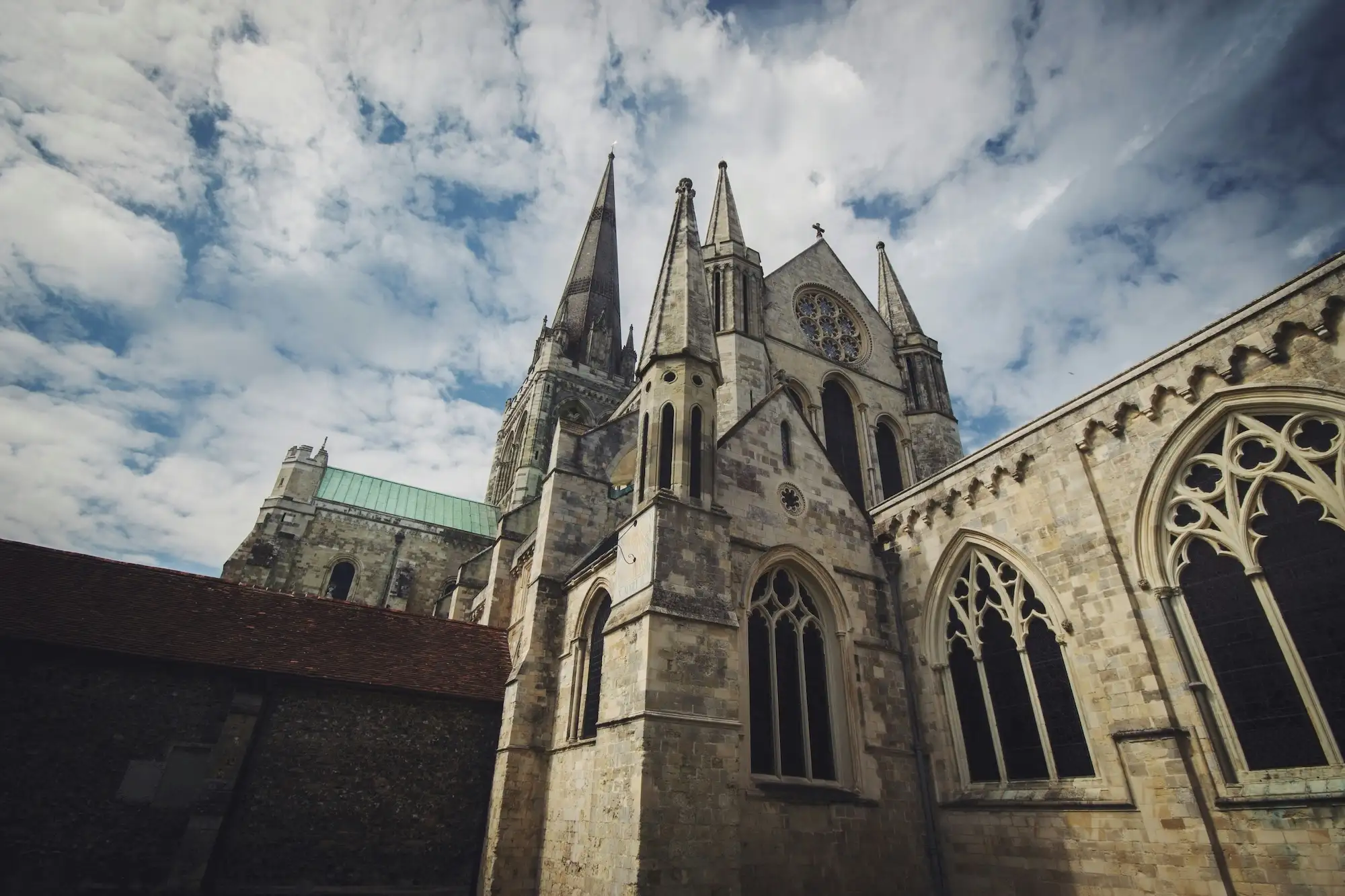
Chichester Cathedral has stood at the centre of the city for almost 1,000 years, after the cathedral at Selsey was moved here in the late 11th century. Over the last millennia, a contrast of Norman and Gothic architectural styles have left their mark, providing the building with a unique exterior that can’t be missed when wandering its grounds. It’s here you’ll also notice one of the cathedral’s most unusual features: its detached bell tower, or campanile, stands separately from the main building. Dating from around 1400, it is the only surviving detached medieval cathedral bell tower in England.
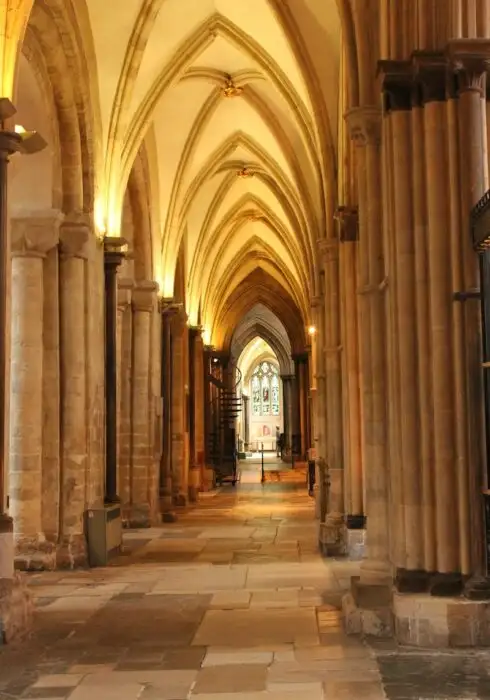
There’s plenty to look for inside, too. The cathedral has an important collection of modern and contemporary art, including a famous tapestry by John Piper and a stained-glass window by Marc Chagall, alongside medieval carvings, monuments and tombs. Another highlight is the 15th-century cloisters, which enclose a small green space known as Paradise and connect the Cathedral Close with the surrounding streets and Bishop’s Palace Gardens. Even if you don’t plan on a full cathedral visit, they offer a quieter route through this part of the city and a sense of how closely Chichester’s medieval buildings remain woven into the modern centre.
Priory Park and the Roman Walls
At around 1,800 years old, Chichester’s city walls are among the best-preserved Roman city defences in southern England, and visitors can easily follow sections of them as part of a circular walk around the city, with interpretation along the route explaining how the Roman settlement developed.
Along the route is Priory Park, a large green space in the north-east corner of the old city that was once the site of a Norman Castle. Today, it’s popular among picnickers, cricketers, families and dog walkers. Three scheduled monuments can also be found here: part of the Roman walls, the Guildhall and the remains of a Norman motte – all providing context for the city’s origins as Noviomagus Reginorum.
Pallant House Gallery
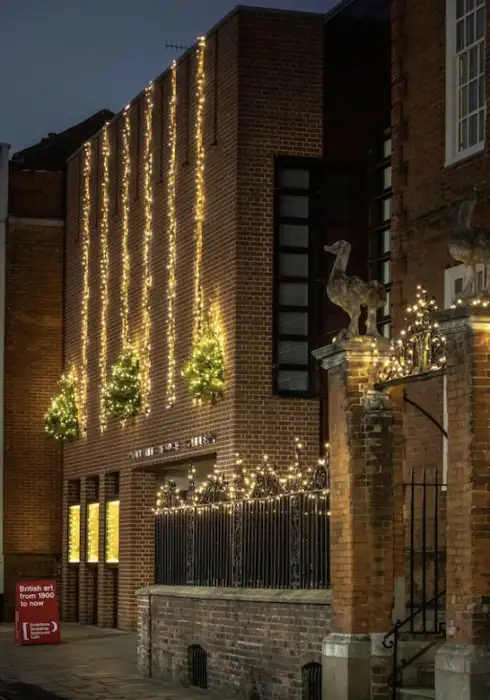
For a city of its size, Chichester has an impressive reputation for art, and Pallant House Gallery is a large part of the reason behind it. The gallery combines a Queen Anne townhouse with its contemporary extension, creating an intimate setting for one of the country’s major collections of Modern British and contemporary art.
The permanent collection spans British art from around 1900 to the present day, with works by Barbara Hepworth, Henry Moore, Paul Nash, Graham Sutherland, David Hockney, Damien Hirst and Rachel Whiteread among the artists represented here. With a café and courtyard garden, Pallant House is easy to add to a day in the city centre, whether you’re making a particular trip to see an exhibition or simply want somewhere interesting to spend an hour or two. The temporary exhibition programme changes throughout the year, so it’s worth checking what’s on before you visit.
Chichester Festival Theatre
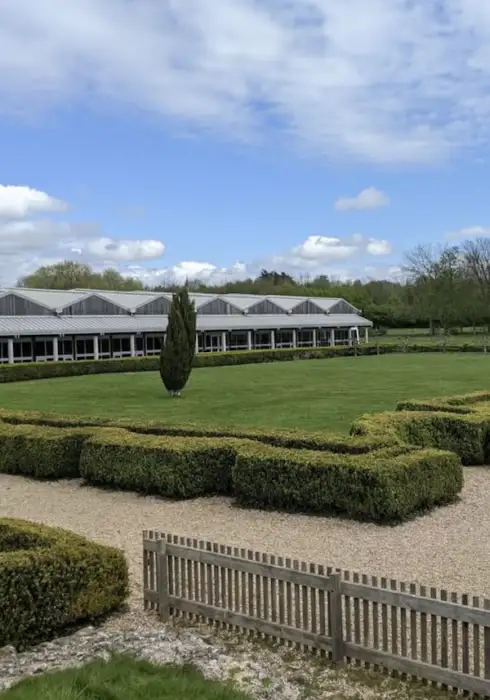
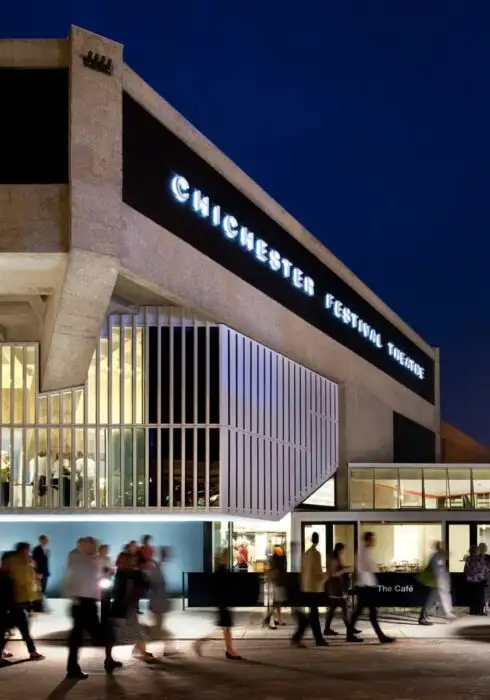
Chichester Festival Theatre has been one of the city’s major cultural attractions since it opened in 1962, and its distinctive building is worth seeing even if you’ve not booked a performance. As Britain’s first modern thrust-stage theatre, it provides a unique viewing experience for spectators, and has a reputation that extends far beyond West Sussex. One of the most celebrated theatres in the country, it should come as no surprise that productions here regularly transfer to London’s West End or tour internationally.
Covering everything from classic drama and new writing to large-scale musicals, the programme continues throughout the year – although the summer festival is when the city really feels the theatre’s influence.
The Novium Museum
Explore why Chichester looks the way it does today with a visit to the Novium Museum. Named after the city’s original Roman name, the building stands above the remains of a Roman bathhouse and explores the history and archaeology of Chichester and the surrounding area – from its Roman foundations through to more recent history.
Roman artefacts, archaeological finds and interactive displays give a clearer picture of Noviomagus Reginorum and what everyday life was like here nearly 2,000 years ago. The remains of the bathhouse itself are visible beneath the museum, providing a visual connection between the city as it appears today and the settlement that came before it.
It also makes a useful first stop before exploring some of the wider Roman sites around Chichester. Once you have seen the archaeology beneath the city centre, Fishbourne Roman Palace, just outside the city, provides a much larger picture of how wealthy Roman residents lived in the area.
Best Places to Eat in Chichester
More than 300 independent businesses contribute to the city centre’s character, including restaurants, cafés, bars, delis and specialist food shops. There’s plenty for everyone here – but we’ve rounded up some local favourites below.
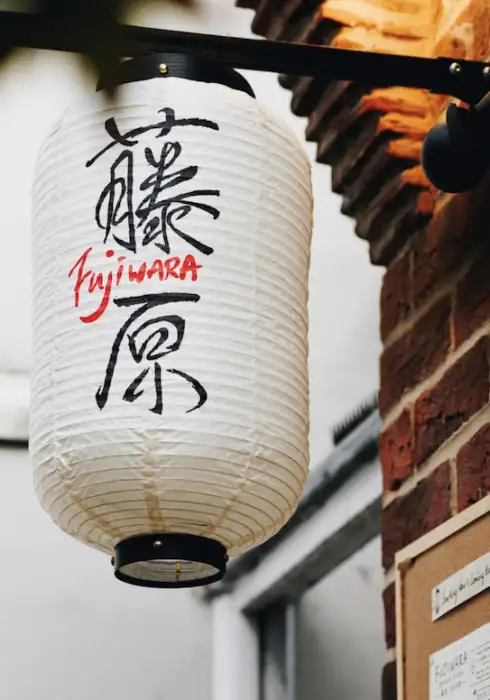
For something quick and easy, Fujiwara on Southgate is an authentic Japanese diner specialising in gyudon (hot beef and onions served atop a bed of sushi rice), sushi and Japanese curry – perfect fuel for a day of exploring or retail therapy! There’s also Akoka on South Street, which takes its inspiration from Indian street food and wider Asian flavours, its menu including samosa chaat, Tibetan momos, bhajis, spring rolls and Korean-inspired dishes that make it particularly appealing for a relaxed lunch or easy-going dinner where you can order a few different things to share. Can’t choose – or all want something different? The Ghost at the FEAST on North Street is an excellent option, combining several independent food vendors all under one roof.
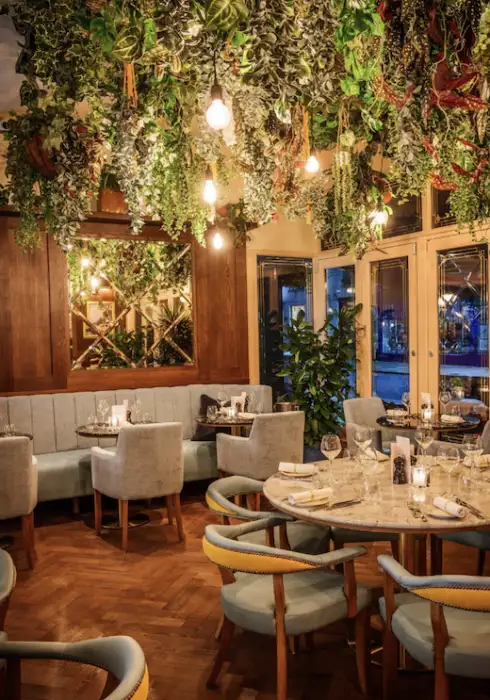
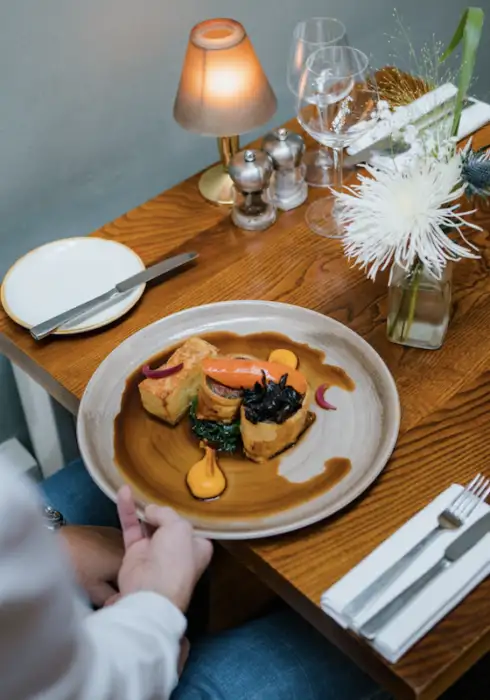
For a more sociable dinner or pre-theatre meal, Purchases is one of the city’s more established choices. Set inside a Grade II-listed Georgian building on North Street, it combines modern European dining with a cocktail and wine bar. Elsewhere, Piccolino is another strong option, occupying a handsome spot on South Street and serving up a delightful menu of pasta, pizza and seafood dishes. For drinks, there are plenty of bars beyond the traditional pub: The Rocking Horse on Southgate is an intimate cocktail bar with a menu of classic and contemporary drinks, while The Escapist on Crane Street is a fantastic tucked-away brewpub with a wide range of beers from independent breweries.